
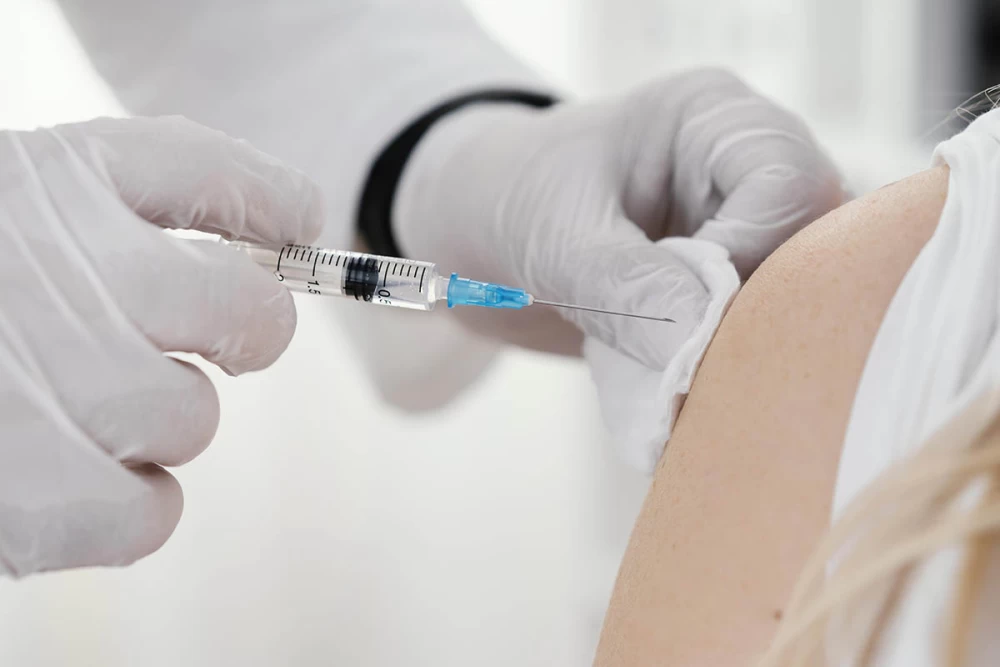
Phuket is home to a large population of stray dogs, cats, and free-roaming monkeys particularly around temples, markets, and tourist areas. Most encounters with these animals are harmless, but a bite or scratch can change things quickly. Knowing when you might need a rabies vaccine in Phuket could genuinely protect your health, or even save your life.
Rabies is present in Thailand. While it is not widespread, confirmed cases do occur each year across the country, and Phuket is not exempt. The risk is low but real, which is why Thai public health guidelines take animal bites seriously. If you are visiting or living here and get bitten, getting a rabies vaccine in Phuket is something a doctor may recommend depending on the circumstances of the bite.
Not every bite requires a full vaccination course, but every bite deserves prompt attention. The location of the wound, the type of animal, and whether the animal appeared healthy all factor into the medical assessment. A trained healthcare provider is the right person to decide whether a rabies vaccine in Phuket’s local clinics or hospitals is necessary for your situation.
What To Do Immediately After a Bite
The first step is to wash the wound thoroughly. Use soap and running water for at least 15 minutes. This simple action can significantly reduce the amount of virus entering the body and is recommended by the World Health Organisation as the most important first-aid measure after a potential rabies exposure.
After washing, apply an antiseptic if one is available, iodine solution or alcohol-based antiseptic both work well. Do not bandage the wound tightly. Then go to a clinic or hospital as soon as possible, even if the bite seems minor.
Why Prompt Medical Assessment Matters
Rabies has a variable incubation period. Symptoms can appear within days or take several months to develop, depending on the location and severity of the bite. Once symptoms appear, the disease is almost always fatal. This is why acting quickly before any signs develop is so important.
At a medical facility, a doctor will assess the wound and classify the exposure. Thai hospitals and clinics are generally well-equipped to manage post-exposure treatment and follow standard protocols. If vaccination is needed, the course typically involves multiple injections over a period of weeks. In higher-risk cases, rabies immunoglobulin may also be given alongside the first vaccine dose.
Which Animals Are Most Prone to Rabies in Thailand?
Dogs are responsible for the majority of rabies transmissions in Thailand. Cats are also a concern, as are monkeys particularly in areas like Monkey Hill in Phuket, where animals are accustomed to approaching people. Even a scratch from these animals, not just a bite, can carry risk.
Wild bats can also carry rabies, though human contact is less common.
If you are bitten or scratched, do not wait to see if symptoms develop. Clean the wound, and get to a medical professional the same day.


