The road to parenthood can sometimes have its challenges, but advancements in reproductive medicine have made various treatment options more accessible. One highly regarded technique is IUI, or intrauterine insemination. This minimally invasive procedure offers a straightforward and effective route for individuals and couples facing fertility issues, helping them achieve their dream of starting a family.
What is IUI?
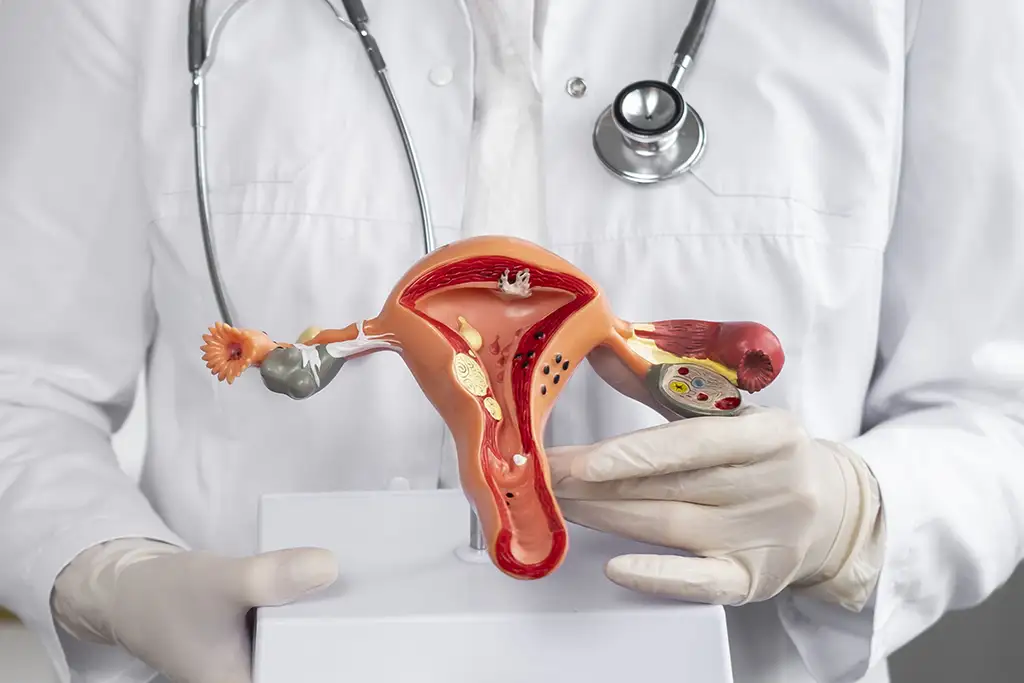
IUI, or intrauterine insemination, is a fertility treatment method where prepared sperm is placed directly into the uterus during ovulation. This technique increases the chances of conception by helping sperm get closer to the egg, bypassing potential barriers that might make natural conception difficult.
It is often recommended for individuals with unexplained infertility, male factor infertility, or cervical issues. Since it is a relatively simple procedure, IUI is typically one of the first forms of fertility assistance used before exploring more complex treatments like IVF (in vitro fertilization).
Understanding the IUI Process
The IUI procedure is straightforward and can often be completed in a short clinic visit. Here’s a step-by-step breakdown of what to expect during the process:
- Pre-Treatment Evaluation
Before undergoing IUI, a thorough assessment is conducted. Medical professionals will evaluate the individual’s ovarian reserve and overall reproductive health. Semen analysis is also performed to assess sperm count and motility.
At this stage, any issues impacting fertility, such as hormonal imbalances or potential blockages, are identified and addressed. This ensures that IUI is a suitable option based on individual circumstances.
- Ovulation Monitoring
Once the preliminary evaluations are complete, the next step is monitoring ovulation. Timing is critical in IUI, as the sperm must be introduced at the optimal moment for conception.
Ovulation is often tracked using blood tests and ultrasounds. Sometimes, hormonal medications are prescribed to stimulate the ovaries and increase the likelihood of releasing more than one egg, further enhancing the chances of success.
- Sperm Collection and Preparation
Sperm is either collected from a partner or a donor, depending on the situation. After collection, the sample undergoes “washing,” a purification process that selects the most motile and healthy sperm. This step removes any substances in the sample that may interfere with fertilization.
- The IUI Procedure
Once ovulation is confirmed, the prepared sperm is placed into a catheter and inserted directly into the uterus. This painless process usually takes just a few minutes, followed by a brief resting period before leaving the clinic.
- Post-Procedure Waiting Period
After the IUI procedure, there is a waiting period of about two weeks before a pregnancy test can confirm the outcome. During this time, individuals may be advised to monitor their symptoms but resume their regular routines.
Benefits of IUI
IUI comes with several benefits that make it a popular choice for individuals and couples seeking fertility assistance.
- Non-Invasive Option
- Cost-Effective Approach
- Improved Chances of Conception
- Flexibility
Important Considerations
While IUI is a promising option for many, there are a few critical points to bear in mind before proceeding.
Success Rates: IUI success rates depend on factors such as age, overall health, and the cause of infertility. Generally, younger individuals and those combining the procedure with ovulation-stimulating medications may see better results.
Multiple Pregnancies: Hormonal stimulation can increase the chance of releasing multiple eggs, which may lead to twin or triplet pregnancies.
Individual Suitability: Not all fertility challenges can be addressed with IUI. For example, individuals with severe ovarian issues, damage to reproductive organs, or certain types of male infertility may find alternative treatments more effective.